
Science October '26: Multiple Epigenetic Triggers, Coral Reclamation, Differentiating ADHD/Autism, RNA Advances, Brain-Driven Aging
Epignetics: Even More Switches Than We Imagined
Healthy Coral Resurrects Bleached Coral
ADHD & Autism Traits Directed (out/in) Differently, Catalyzed By Environs
Researchers Tease New Functionality From MRNA
Brain Protein's Loss Linked to Aging
Quick Hitters (No Synopsis)


Longform Story for October:
The Social Compass in Your Brain
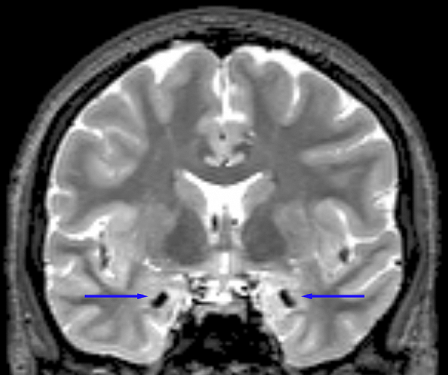
An unusual genetic mutation that causes a calcification of the amydala has provided one of the clearest insights into how our brain and personality operate since Phineas Gage, the famous railroad foreman who survived a 13-lb tamping rod going through his head.
First noted scientifically in 1929 by Austrian researchers Erich Urbach and Camillo Wiethe, and the disorder was later traced back to a brother and sister, Jacob and Else Cloete, who had immigrated from Cologne, Germany to South Africa in the mid-1600s, and married into a particularly incestuous colony of Dutch settlers, allowing the recessive disorder to flourish.
“You talk to her, and you don’t see anything wrong,” says Jeffrey van Honk, a social neuroscientist at the University of Cape Town, of one of the subjects. She and others he knows with her condition, Urbach-Wiethe disease, “are kind, sweet people by nature.”
The issue comes out when asked questions such as how much money to lend strangers or evaluate sacrifices such as in the Trolly Problem….
The duo suspected that the women’s behavior reflected a difficulty in balancing self-interest with concern for others. The Social Compass in Your Brain
Epigenetics is Mouse Trap Structure
Surprise! Our genes are STILL more complicated than we thought

Our evolving perspective on the human genome grew to involve epigenetic triggers in nineties and early aughts. This led to large studies – genome wide association study or GWAS – to isolate the areas of the gene that might be involved.
Many previous studies used Genotype-Tissue Expression, or GTEx, data to map genetic variants from GWAS to expression quantitative trait loci, or eQTL, and splicing quantitative trait loci, or sQTL—areas of the genome associated with gene expression and splicing, respectively—and quickly reached a limit to how many such loci they could find for each gene.
But thanks to a large study by Peter Orchard, Ph.D., and Steve Parker, Ph.D., of the Gilbert S. Omenn Department of Computational Medicine and Bioinformatics, at the University of Michigan (U-M), Laura Scott, Ph.D. of U-M and Laura Raffield, Ph.D. of UNC Chapel Hill and Francois Aguet, Ph.D. of the Broad Institute, they’ve shown that to better target the proper genes you need a much larger, more heterogenuous dataset than had previously been used.
The new study examined 14,324 RNA sequencing samples, including 6,454 whole blood and 1,291 lung samples from the Trans-Omics for Precision Medicine, also known as TOPMed, program, sponsored by the National Heart, Lung and Blood Institute and published in Science.
They soon found many more signals than before, and one in six were found came from variants that are rare or absent in people of European ancestry. Almost none of them, 1.3%, appear in the four large eQTL resources built mostly from European samples.
These signals were important because it appears most genes have multiple trigger or regulation vectors. While the first one may be easy to find, the second, third, and fourth-order switches may only be revealed in large enough samples. Of the 10,611 GWAS signals the researchers were able to connect to a specific gene, roughly two-thirds involved one of these secondary switches.
“Genetic regulation of the expression levels of one part of a biological unit’s machinery, such as a regulator of a cellular stress response, can affect the expression levels of other parts of the same biological machinery,” said Scott.
Parker added, “One reason this is super important is because genetic evidence of drug targets is a huge predictor of clinical success for therapeutics,” increasing the rate of success more than two-fold. The ultimate goal then is to link genetic variation with target gene expression.”
“As further such studies are conducted across more tissues and cell types, we will likely find a lot more of these effects and increase our understanding of their contribution to complex traits,” said Aguet.
Healthy Coral Revives Dying Coral in Seven Weeks
Living Coral Can Resurrect Bleached Coral With Genetic Match
For decades environmentalists have worried about the health of coral reefs around the world as they transformed from vibrant colorful platforms of life to bleached wastelands as sea temperatures have climbed. Now it appears hope is possible, if the way forward is still somewhat clouded after this new study in Science Advances from Stanford researchers.
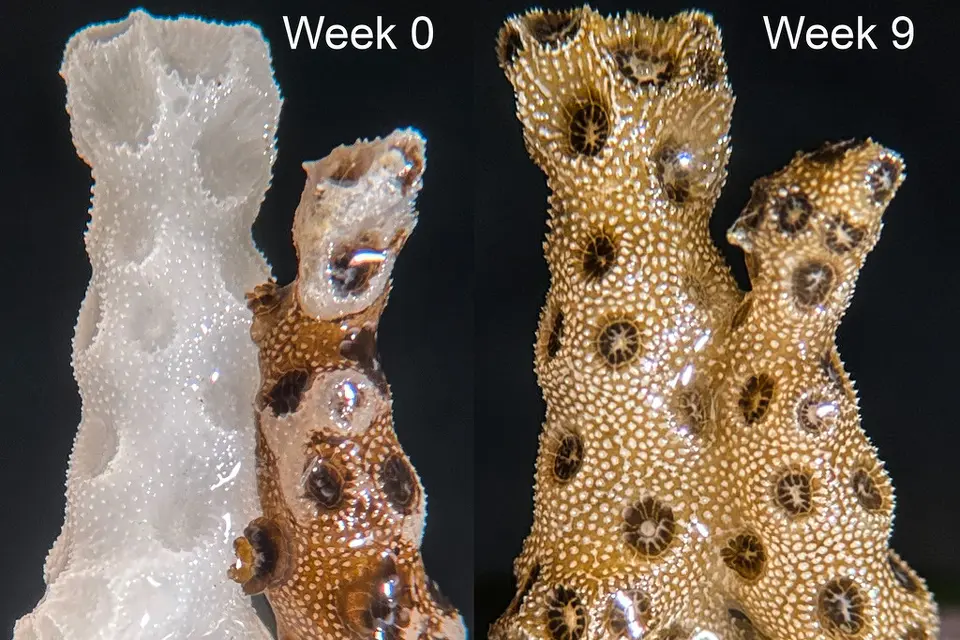
“What was most exciting about this was seeing the remarkable potential that bleached corals have to rapidly recover,” said Danny Collins, a doctoral student pursuing his Ph.D. in oceans at the Stanford Doerr School of Sustainability and the lead author of the study. “These bleached corals are often treated as a lost cause.”
Corals form in the wild when coral of many different species produce clones. The study showed that in a lab setting a healthy coral fragment placed next to a bleached coral fragment of the same species would begin healing after close contact of about a week.
“Genetically identical corals recognize one another when they come into contact,” Steve Palumbi, a study author and Stanford professor, said in a recent statement. “Their tissues fuse if they are from the same clone. We see something similar in humans. Organ transplants are often successful if the donor is your identical twin.”
While it’s questionable how feasible this is on the scale needed to restore reefs in the wild and would additionally require genetically identical, healthy coral which can be kept in continuous contact. But even the possibility offers new avenues of experimentation and exploration.
Autism and ADHD Differ in Manifestation; Social Environs Amplify Issues
Though often intertwined Autism & ADHD evidence different social paths to mental health issues
Autism spectrum disorder, commonly known as ASD, involves differences in social communication, social interaction, and patterns of behavior or interests. Attention-deficit/hyperactivity disorder, or ADHD, is characterized by ongoing patterns of inattention, hyperactivity, and impulsivity.
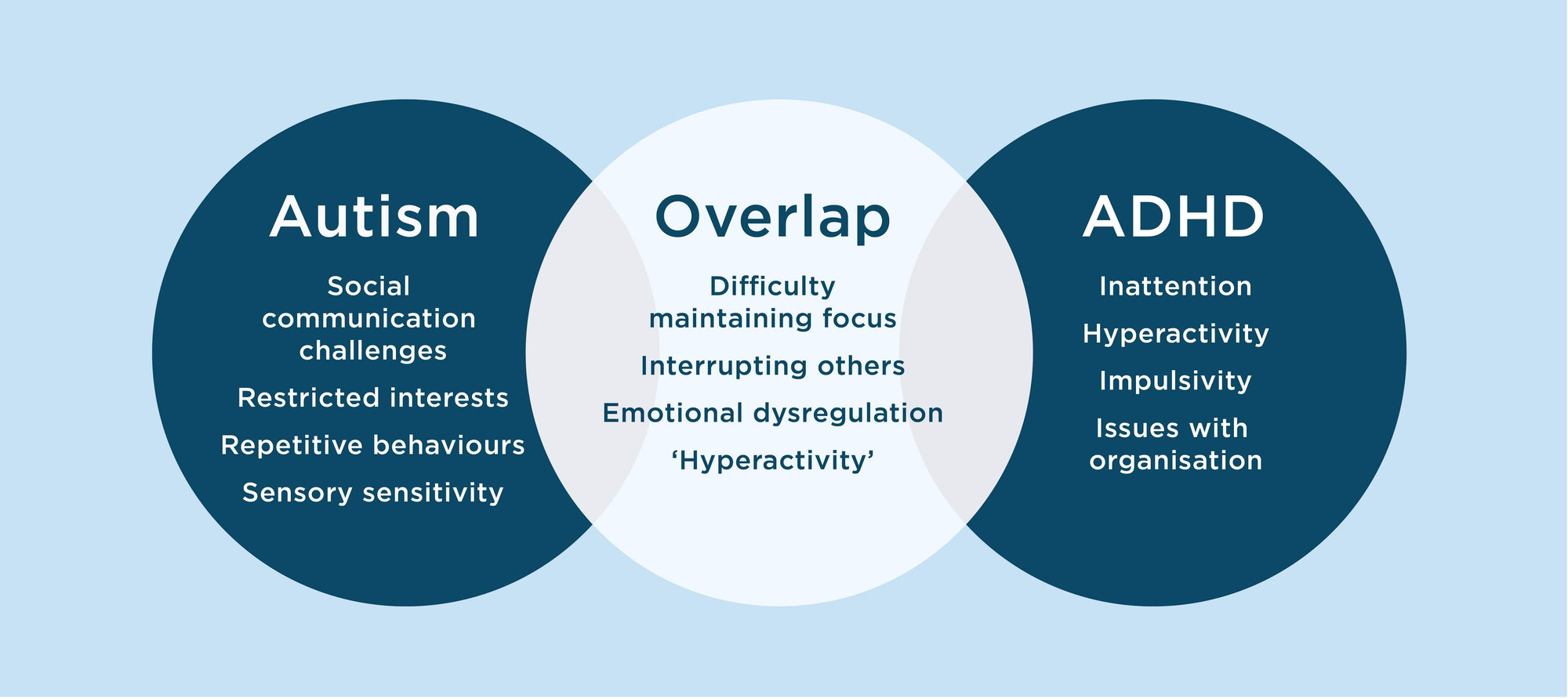
Both conditions exist on a continuum, meaning children display noticeable traits without having an official clinical diagnosis. Even when traits fall below diagnostic thresholds, children can be at risk of emotional distress, including internalizing anxiety and depression, or externalizing anger and disruptive behavior.
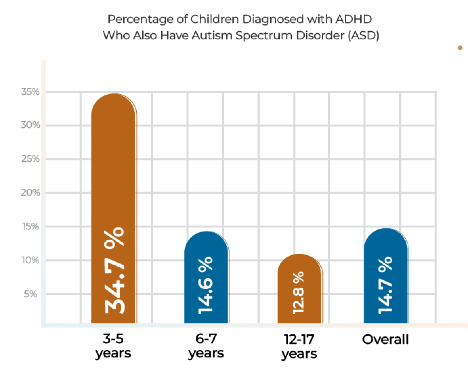
Because autistic and ADHD traits frequently co-occur in the same individuals, researchers face challenges untangling which specific social hurdles stem uniquely from each set of characteristics. Many previous studies examined either autism or ADHD in isolation, making it difficult to understand how distinct traits relate to social adjustment across different settings. That's what this study in Psychological Medicine sought to discern.
“We still know relatively little about how such traits relate to social adjustment and mental health over time,” lead author Eriko Hashimoto, a doctoral student in the Graduate School of Humanities and Sciences at Ochanomizu University in Tokyo to PsyPost. “Together with my supervisor and co-author, Professor Hiroyuki Ito, I wanted to address this gap by examining these developmental associations over several years in a large, community-based sample of school-aged children.”
They found autistic traits consistent with subsequent peer difficulties over time and across grades. They were also associated with internalizing issues but not with academic struggles or conflict with teachers.
Meanwhile ADHD traits were linked with externalizing behaviors, especially in late elementary, and with increasing academic difficulties at higher levels, but weak connection to internalizing problems directly. Instead, academic difficulties predicted later internalizing symptoms during elementary school, suggesting learning struggles act as an intermediate pathway linking attention difficulties to emotional distress.
Similarly, issues with autistic traits weren’t a one-way street either but rather a self-reinforcing cycle, with higher degrees of internalizing associated with worsening peer problems, and higher degrees of externalizing resulting in more parental and teacher conflict over time and increasing behavioral difficulties. Similarly, the increased issues led to higher reported traits in subsequent years, suggesting a second feedback loop in how they are perceived.
“These findings highlight the importance of considering not only children’s individual characteristics but also the social environments in which they develop,” Hashimoto said.
The story notes a prior study in the publication, which also connected ADHD symptom to emotional problems across development, but used a twin study to point to shared genetic links. This study puts a scratch in the nurture column, demonstrating how schools can amplify the issues that initially separate neurodivergent children.
The authors suggest that early support for academic organization, peer relationship skills, and positive communication between families and schools might help interrupt these cycles, though the study did not test any interventions.
Researchers Forge New mRNA Functionality Toying With Recipe
New Formulation Allows Vaccines To Withstand Temperatutre
Changing Charge Lipids To Reduce Toxicity
Researchers at MIT and UC-Berkeley made discoveries recently to enhance the functionality of lipid-based mRNA drug treatments. As many remember, COVID vaccines employed a then-novel RNA messenger molecule to trigger an immune response to the viruses’ otherwise harmless “spike protein.”

The challenge is that RNA is very fragile and requires a stable delivery vehicle. It was discovered that lipid nanoparticles (LNPs) effectively protected the RNA from degradation. But the same property that makes LNPs such a great platform for drug delivery – their positive charge – also makes it toxic for many people.
MRNA technology uses the ionized LNPs’ charge as a mechanism for delivering nucleic acids through endosomal release — the process by which the particle escapes the endosome, a compartment inside the cell, so it can release its mRNA or DNA cargo.
Studies have shown LNPs exacerbate existing inflammation issues for people suffering, for example, from diabetes or cancer. These increases can grow uncontrolled into a life-threatening cytokine storm, with resultant high fever, rapid heartbeat and breathing issues.
Until now this has forced tradeoffs between toxicity and delivery efficiency. But recent work at UC-Berkeley has led to the creation of a charge-changing lipid molecule that can still deliver RNA and other nucleic acids very effectively.
They modified the ionizable lipid by adding a carboxylic acid, which acts as a molecular switch. The result is an ionizable lipid that changes its charge depending on acidity, generating a switchable nanoparticle.
“We found that these switchable nanoparticles stay positively charged when needed in acidic environments, such as when encapsulating the mRNA and triggering endosomal release,” said Dengpan Liang, a postdoctoral researcher in the Murthy Laboratory and the study’s co-first author. “But when they circulate in our near-neutral blood, they flip to a negatively charged state that helps mitigate toxicity and avoids triggering inflammation. And they can still efficiently deliver the therapeutic goods, just like a traditional lipid nanoparticle.”
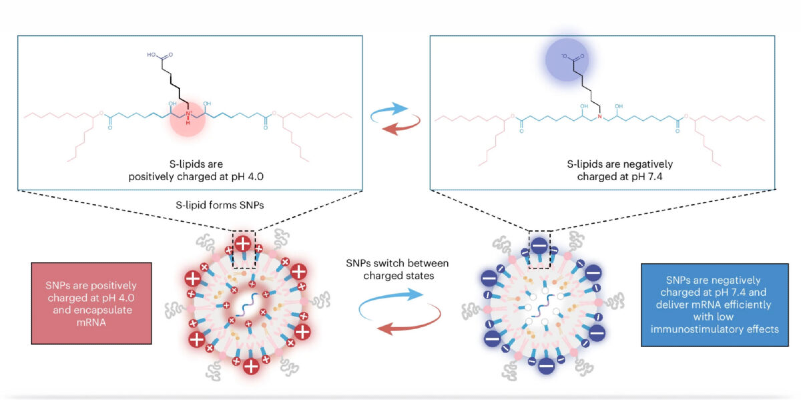
Out of the gate, Murthy and Liang envision their switchable nanoparticle being used for protein replacement therapy in the liver, specifically in patients missing a critical enzyme called ornithine transcarbamylase. This rare inherited deficiency leaves the body unable to clear ammonia from the blood and can be fatal without treatment.
“If we were able to use our switchable lipid nanoparticles to deliver the mRNA, we could actually cure this disease,” said Murthy. “In fact, there are many diseases like this that would be immediately curable if you had a lipid nanoparticle that could be chronically dosed with low toxicity.”
The study was a collaborative effort involving researchers from UC Berkeley, UC Davis, Stanford University, Shriners Children’s Northern California, Lawrence Berkeley National Laboratory, Chongqing University and Chan Zuckerberg Biohub.
Meanwhile on the other side of the country, researchers at MIT found a lipid that could remain stable at high temperatures with the help of AI.
The challenge for many vaccines is that to remain stable they must be kept at a low temperature which becomes more problematic as the cure migrates from the First World to the Third.
Making vaccines more heat-tolerant would not only enable them to be distributed more widely, but could also help researchers develop new vaccines that could be administered through novel methods such as microneedle patches. These patches contain hundreds of vaccine-filled microneedles, which dissolve when the patch is applied to the skin, releasing the vaccine.
They used a specifically programmed AI algorithm to scan different formulations of LNPs that could work to quicken the work.
“The real beauty of this algorithm is that we can use it with small data sets,” says Jaklenec, a principal investigator in MIT’s Koch Institute for Integrative Cancer Research. “It’s really hard to run thousands of experiments, so this algorithm allows us to more easily achieve formulations with features that we want — in this case, stability.”
They were able to feed data from their first set of failed experiments back into the algorithm, and this added data helped refine the search, in a paper from senior authors Ana Jaklenec and Robert Langer, the David H. Koch Institute Professor, in study that appears today in Nature Biotechnology. Graduate student Jinbi Tian and postdoc Khanh Tran are also lead authors of the paper.
“We’d used our algorithms for various automated experimental design applications before, but never on a biological problem like vaccine stability,” says Mina Konaković Luković, an assistant professor of electrical engineering and computer science in MIT’s Computer Science and Artificial Intelligence Laboratory (CSAIL), who is also an author of the paper. “It was surprising to see how quickly the algorithm converged on a stable formulation — getting there in just a handful of iterations, rather than the exhaustive search that would normally be required.”
The researchers chose five of the most promising excipients and used their AI algorithm to predict ratios of those excipients that would best stabilize LNPs similar to those used by Moderna. Based on those predictions, the researchers tested two formulations at a time in cells, fed those results back into the algorithm, and generated more predictions. After several rounds, they chose one formulation that appeared promising enough to test in animal studies.
This process took only a few weeks, much less than it would have taken without guidance from the AI algorithm.
“Before we implemented the AI algorithm, we spent several months testing different combinations and also doing the prescreening of all the excipients that we could find, but nothing would get us to 100 percent stability,” Tran says.
Using this approach, they formulated vaccines that could remain stable even when stored at room temperature for up to a year, or at nearly 100 degrees Fahrenheit for two months.
Reversing Brain Protein's Loss Improved Mouse Health in 30 Days
Researchers Find Protein & Amino Acid Linked to Brain Health & Aging
Building on their previous work researchers led by Lige Leng of Xiamen University in China have linked brain protein Menin to health via the hypothalamus. This region at the base of the brain regulates body functions such as body temperature, hunger, metabolism, sleep, and hormone production. Because these systems affect nearly every organ, changes in the hypothalamus can have consequences throughout the body.
Scientists have increasingly recognized the hypothalamus as an important player in aging. One possible reason involves neuroinflammation, the brain's inflammatory response. Although inflammation helps protect against infections and injuries, persistent inflammation can interfere with normal cellular function and contribute to age-related deterioration.
Leng and his researchers noticed Menin levels gradually declined in certain hypothalamic neurons as mice grew older. Interestingly, the same decrease was not observed in astrocytes or microglia, two other important types of brain cells involved in supporting neurons and managing immune responses.

Using genetically modified mice they found mice with suppressed Menin-production developed greater inflammation in the hypothalamus, thinner skin, reduced bone mass, and worsening cognitive performance. Their lifespans were also modestly shortened.
They increased Menin production in a specific part of the hypothalamus of older (20 months old) mice, known as the ventromedial hypothalamus, which helps coordinate metabolism, energy balance, and other bodily functions. Within 30 days there were noticeable improvements – skin became thicker, bone mass increased, and performance improved on tests measuring learning, memory, and balance.
They further examined the role of an amino acid, D-serine, whose presence fell when Menin levels declined. Adding this to the mice’s water produced effects even in those mice not with enhanced Menin production.
D-serine is known to regulate NMDA receptors, specialized proteins on nerve cells that are essential for communication between neurons, learning, and the formation of memories.
Further investigation revealed that Menin helps control the production of PHGDH, an enzyme involved in the biochemical pathway that generates serine (which was in turn regulated by Menin). When Menin activity decreased, this pathway became less active, reducing the amount of D-serine available to the brain.
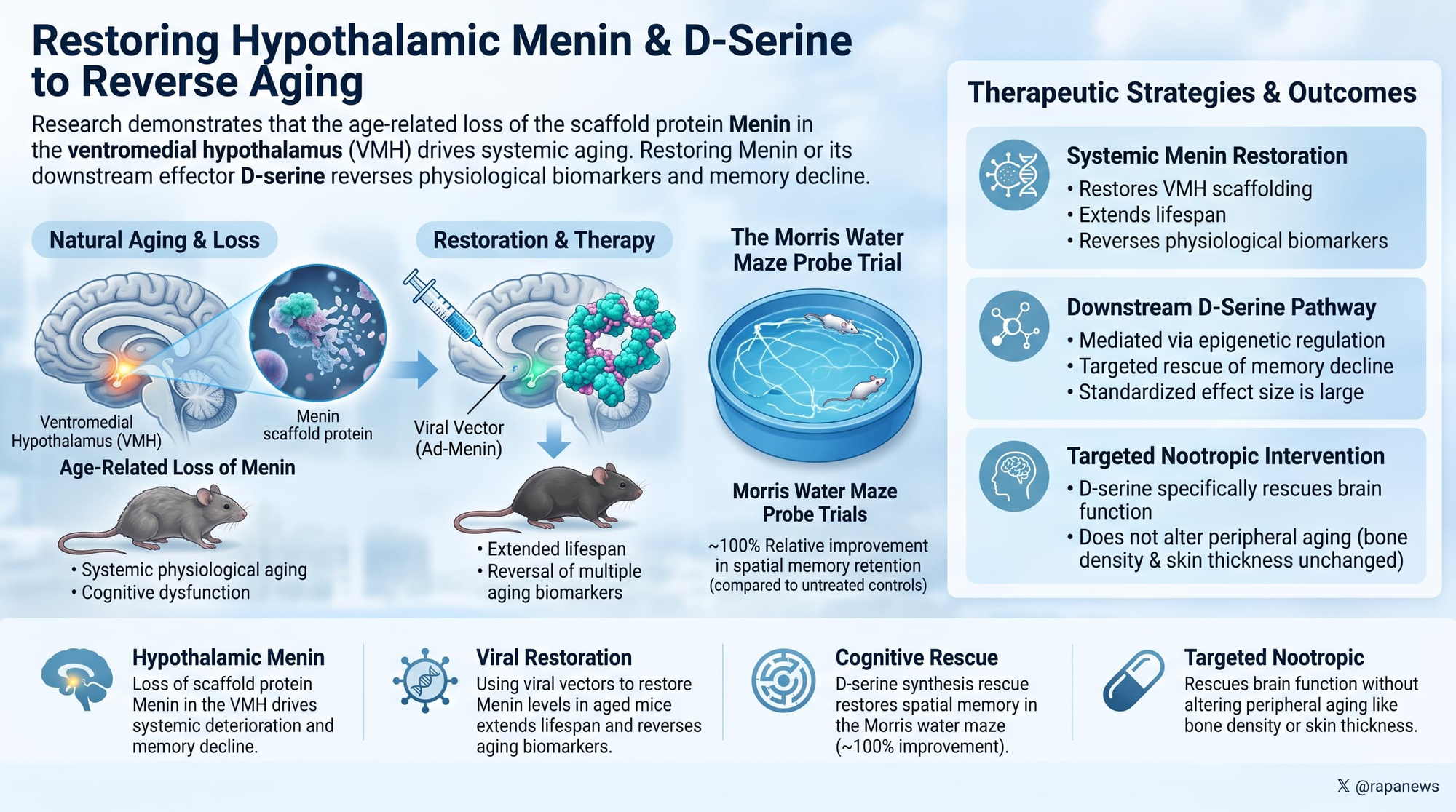
While increasing Menin improved both cognitive function and physical signs of aging, D-serine supplementation primarily improved cognition. It did not restore the age-related losses in bone mass and skin thickness.
That difference suggests Menin influences aging through several biological mechanisms, with D-serine accounting for only part of its effects.
A growing body of evidence points toward a potentially important shift in how scientists understand aging. Instead of viewing it only as the gradual deterioration of individual organs, researchers are investigating how specific brain pathways may actively shape the process. The possibility that restoring those pathways could improve memory, physical function, or longevity remains experimental, but the Menin discovery, offers a compelling reason to believe some biological changes associated with aging are reversible.