Jim Kweskin's A Songster's Journey
The 85-Year Old East Greenwich Folk Icon Offers a Portal Back in Time on delightful, versatile 18-track folk/jazz effort
Jump to the Review
Background
Jim Kweskin is sort of an icon. He probably doesn’t much care. As one of the first wave of East Greenwich folk artists to breakthrough, Jim Kweskin and the Jug Band was a major influence on a variety of much bigger acts (as things often work) by tilling the land so their seeds might sprout. It’s really just sort of the circle of life.
John Sebastian and The Lovin’ Spoonful, the Nitty Gritty Dirt Band, Dan Hicks and the Hot Licks and the Grateful Dead, were all known to be influenced by Kweskin’s music but in a February interview in San Francisco Classical Voice he suggests that it’s sort of all the same, just timing.
“We just started earlier,” he said. “All the bands that came after us, like John Sebastian, they listened to our records in high school. That’s natural. They all fell in love with the kind of music we played. I was influenced by the bands before me.”
He had fallen in love with this old music when he discovered a collection of his father’s old ‘78s by Jelly Roll Morton, Sidney Bechet, Bix Beiderbecke, Cab Calloway, Leadbelly and Bessie Smith. “I fell in love with that music while my friends were listening to the pop music of the day,” he told MOJO in a spread last year. “When I was a teenager I discovered folk music. Eventually I put folk and jazz together which is essentially what jug band music is: early jazz played on folk instruments.”
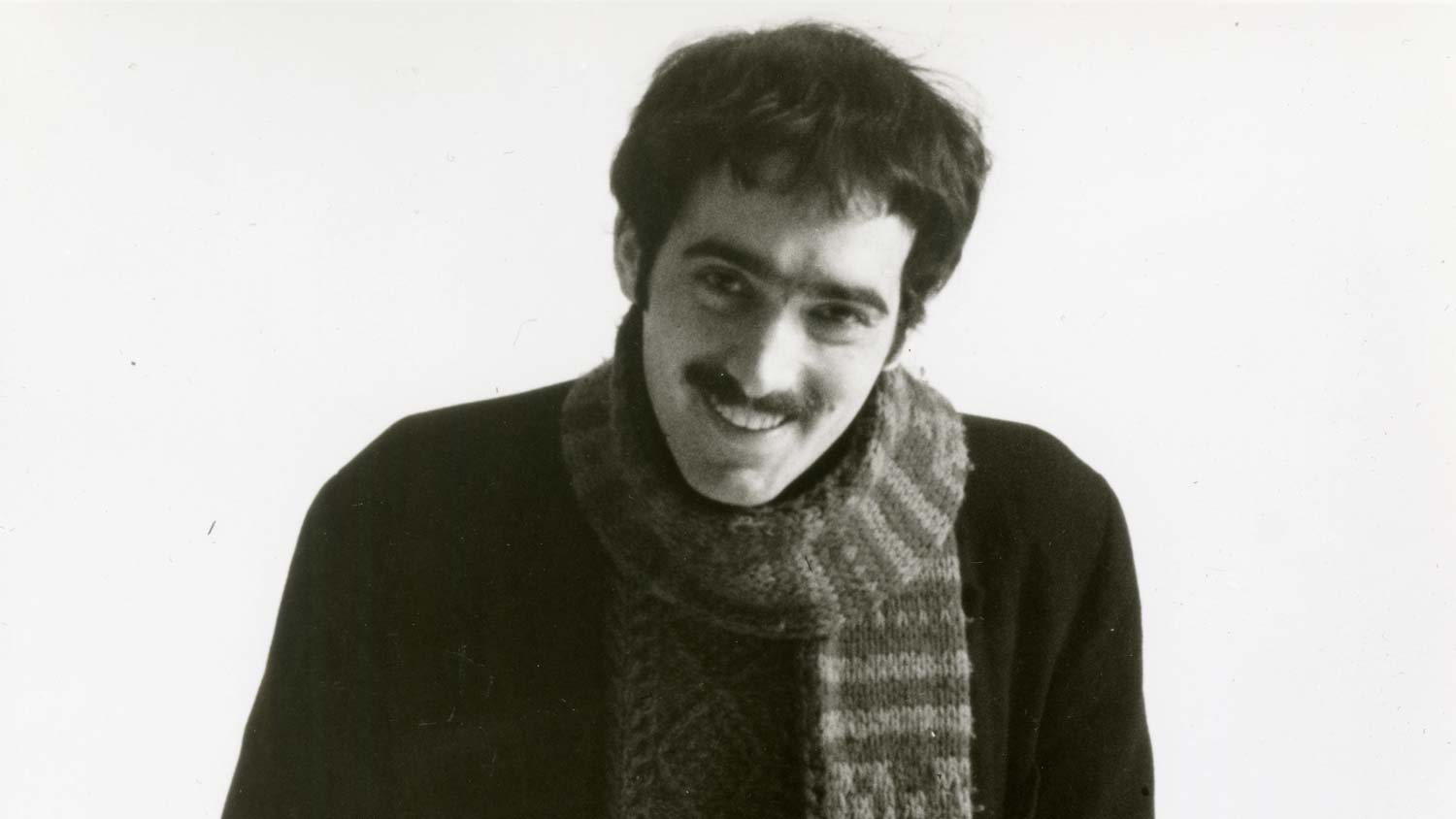
They gathered momentum during the sixties as the folk movement bloomed into psychedelica in the late sixties. Kweskin and co-founder Geoff Muldaur always had slick players alongside them, like Bill Keith who replaced founding Mel Lyman (harmonica, banjo) in 1964, fresh out of Bill Monroe’s Bluegrass Boys, and virtuoso fiddler player Richard Greene a few years later.
They seemed to be on the verge of greater success, but in 1968 Kweskin became disillusioned with the musician’s life, or maybe he felt it had run its course. He joined his friend Lyman’s commune in the Fort Hill Section of Boston. He’s lost his zest for it, and together they started a company that built and restored homes.
He didn’t play as much but released a handful of albums in the last seventies, Jim Kweskin Lives Again (1977); Side By Side (1979); and the children’s album Swing On A Star (1979) through Mountain Railroad Records. A couple decades later, Jim and Samoa Wilson recorded a couple of albums together on Blix Street Records including Now and Again (2003), Live the Life (2004), then more recently I Just Want to Be Horizontal (2020) on Kingswood Records. He also reunited with Geoff Muldaur for Penny’s Farm (2016), and both performed in The Texas Sheiks.
On some level, he’s sort of a walking ethnomusicologist, tapped into a sound that existed before him and fully consumed by it. It’s that pre-war folk/blues/jazz blend that spans ragtime, finger-picked folk/jazz, swampy jazz-blues and country-pop that has all but disappeared from public life.
But Kweskin never left it behind. “I was never influenced by any of the bands that came after me,” he said.
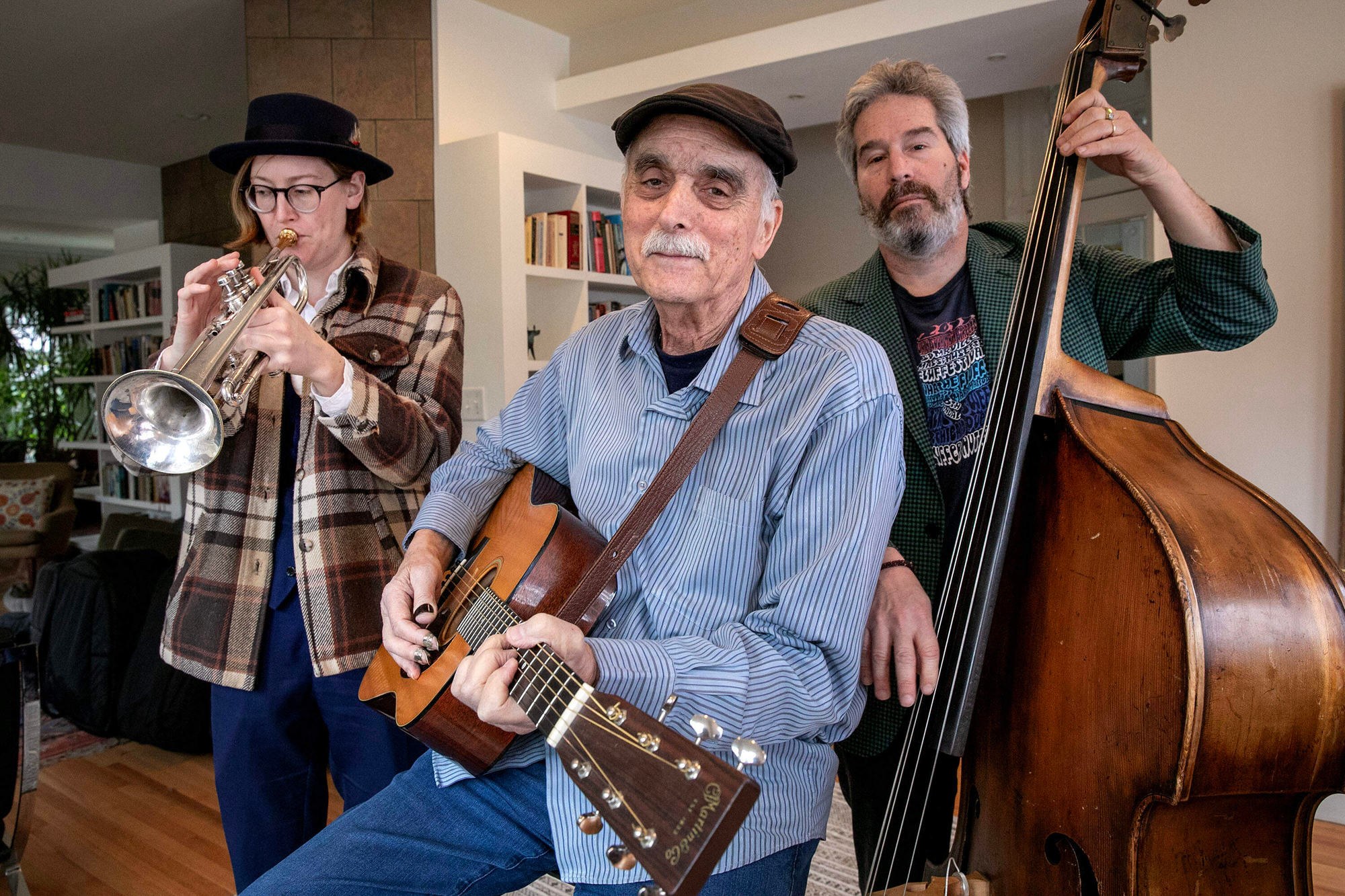
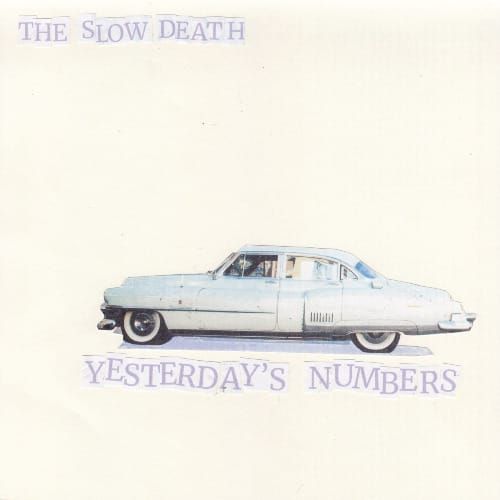
That makes him sort of a time-capsule or even a time warp (put your hands on your hips, for safety purposes). And that’s actually kind of how he sees it too. He’s released four albums since the pandemic, including this 18-track new one, A Songster’s Journey, and at 85 he sounds as spry as some a quarter century or more younger.
It’s covers but they’re keenly chosen, refreshed and served with Kweskin inimitable panache. Though we’ve never encountered the man, he comes across as that charming scamp, quick with a wink or an innuendo, but just loving this moment with every ounce of his strength. It’s hard to believe/express, but there’s a delight he takes in the music that really gets into its bones.
The Review
Kweskin sets out his ambition in the liner notes, which explain what his idea of a songster is.
Rather than creating original compositions, Songsters tend to revitalize songs. Some of the more famous early Songsters we know from recordings include Leadbelly, Mississippi John Hurt, Mance Lipscomb, Jesse “Lone Cat” Fuller, and Big Bill Broonzy — legendary artists who sang songs across genres. They didn't just sing blues, or country, or folk, or pop, or jazz. They sang it all: whatever song suited them, whatever people wanted to hear… I like to take the great old songs from wherever I find them and do them in a way that fits me.
It’s a clear signpost of the aesthetic at play here. He receives some great aid in 5-time Grammy Award-Winning pedal steel player Cindy Cashdollar and producer/bassist Matthew Berlin, who is clearly sympathetic to the material and gets a clean crisp sound with lots of room for Kweskin to soar.
As we say, none of these are purely his, but he’s made them his. The opening track is the hilariously forthright, “Would You Like to Play the Guitar,” which sounds very much like something Tom Lehrer would write, but was actually Pat Donahue.
The folk/rag-swing is quite enjoyable and gives the song a boppy pulse from which to sling it’s self-deprecating glee. Like some subway ad, it begins, “Would you like to play the guitar? Take your money home in a jar? From a coffeehouse or a bar? Or would you rather get a job?”
He goes on to break down the business. “Drive for miles and miles in your car, and pretend your a big star? Or would you rather book the gigs?” which frankly sounds like the best option, and far better than being the crazy guitarist’s wife.
“I changed it a little, like I usually do.” Kweskin writes in the liners. “Everybody who sings a song invariably changes it to make it their own. Pete Seeger calls it ‘the folk process.’”
He talks in the notes about the breadth of styles and it’s really one of the album’s delights. There are so many tones. The third track, "Dig My Grave," is this old-timey country-folk track that was originally recording as part of the Folkways collection of a guitarist in the Bahamas, Joseph Spence.
True to form, while the original is slow, Kweskin’s polished up the pace and probably given it a more, carpe diem expression, with a today’s all we got, grim smile, while the horns and vocal round give it a Big Easy Brass Band spiritual vibe. It feels very we shall if-not-overcome-at-least-abide.
It’s followed by the utterly disarming take on Hank Williams’ “Mind Your Own Business,” which Gen Xers will recognize as the music from George Thorogood’s “Move It On Over.” These days it’s wildly appropriate, as Kweskin’s undoubtedly aware.
“If you mind your own business you won’t be minding mine,” he sings, then strikes a note for the gals. “The boys all whistle when she walks by, why don’t they mind their own business? And if you mind your own business you’ll stay busy all the time.
“Right Now Blue” is a sort of ambivalent blues come-on from Frank Stokes, one of the Beale Street Sheiks. Duke Ellington’s “I’m Beginning to See the Light” gets a Western Swing treatment. Glen Miller’s “Chattanooga Choo Choo” is a country-waltz, and “Doctor Jazz-Stomp” is prime Jelly Roll Morton delivered with loose banjo country-jazz back-and-forth. It’s one of the late album highlights.
With 18-tracks it’s hard to say something about hem all but a couple more deserve a mention.
“I Love You Because (You’re You)” is a sweet Ernest Tubbs waltzing/western swing song that Kweskin says he sings to his wife, and it gets you like that’s the truth. It even hits harder because it earnest without being cloying but also because the lighthearted songs make the serious ones ring even truer.
“The Glory of Love” gets us a bit moist about our eyes though we’re well over our divorce. Like the aforementioned song Kweskin sings the earnest songs without over-emoting which can throw you a bit given the scenery-chewing songwriter fashion. It was written in 1936 by Billy Hilly. It’s got some great lyrics.
You've got to give a little, take a little,
And let your poor heart break a little.
That's the story of, that's the glory of love.
You've got to laugh a little, cry a little,
Until the clouds roll by a little.
That's the story of, that's the glory of love….
You've got to win a little, lose a little,
Yes, and always have the blues a little.
That's the story of, that's the glory of love.
The last track Kweskin goes out like he came in, cracking wise and fronting irreverently on the Appalachian banjo tune, “Still Not Dead,” originally by Willie Nelson, but he's made it his own.
I woke up to start another day, but the internet said I had passed away
Well if I died, I wasn’t dead to stay, and I woke up still not dead again today
… you can’t believe a word that people say / I hope to meet my Maker some sweet day
But I woke up not dead again today
I ride up and down the road making music as I go, they say my face would kill a normal man
but I’ve never been accused of being normal anyway
I didn’t even mention the Spanish tune, “Culpable Soy (Noche Serena)” and the haunting murder ballad, “Mary of the Wild Moor.”
Everything in today’s world is so narrow and programmed and predictable. They’re going for warm and familiar, but frequently feel pandering and emotionally absent. That’s nothing you’d ever accuse Kweskin of, though he clearly takes great joy in being a smart ass.
But he also takes his self-made mission seriously and this collection of songs is like an invitation from a B & B so full of old musical arcana of another age that you are able to go someplace else for a while and experience a historical Neapolitan of musical delights emceed by this quirky old weirdo that seems to be having the time of his life, and if it’s possible to be as happy at anything as he is at 85 making music, that’s what we want for ourselves at his age, and if possible, sooner.