Frank Jordan's "Looked Around"
We’re writers. That’s what we do. We spout, we spill, we pontificate. We spread our opinions like religions and want to be appreciated for it because life can be lonely in the solitary confinement of your own skull. Trephining is not an escape. So what do we do? WE LOOK AROUND.
The beauty of a song is that you can express the figment of an idea, capture the mood of an experience. It’s not a text. It’s more Escher-like. It’s an evocation. Much like interaction. We never truly know what the other thinks; we can never borrow Robert Zimmerman’s shoes to know what a drag it is to see us, though we certainly might imagine and obsess over it.
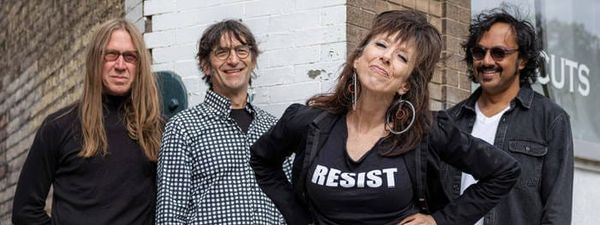
Ever since we heard this relatively unknown Sacramento band’s 2004 take on this age-old issue of gossip and presentation, it’s been a favorite. It’s less a narrative than a loose series of anecdotes or rhyming observations about this ridiculous charade we willingly endure – if chase hungrily. Out of our own weakness.
(It recalls a little in this style of storytelling the author Renata Adler and her brilliant string of anecdotes, Speedboat, though the book’s short story “Brownstone” about living on top of each other was the O Henry prize winner in 1973, and is a brilliant piece. Never cared for her follow-up, Pitch Dark, never could get into it. Have considered adapting Speedboat into a play in the past. The language is just outrageously good. She did work at the New Yorker for decades. Was apparently the inspiration for Diane Keaton’s character in Woody Allen’s Interiors.)
And to top it off, it’s a freaking keenly written tune with a really memorable melodic hook. They were popular in the area. Indeed, we can even hear a bit of one-time Davis resident Steve Wynn’s band Dream Syndicate in the guitar washes and distortion.
Let us just start by saying the syncopation on this beat versus the bassline is just some mad scientist shit and is part of what makes this so attractive, especially this odd mechanistic sound against the washes of chiming guitar’s tide-like building and receding in the course of a measure, or maybe it better recalls a switchback turn.
It starts with a bit of failed peacocking as a man thinks he’s clever but nobody bites. The narrator explains, it wasn’t that funny. Like all of us, “he’s always hoping that the moment will last,” but it’s no longer chasing joy and connection but it’s become his escape, “now he’s on a vacation from his own situation.” He feels like he sucks and is looking for others to prove him wrong.
This is a great two line setup. You could build a short story out of a beginning like this – a guy in a gathering reaping crickets, jiggling the drink in his glass, looking side to side as the conversation leaves him behind. Seeking this social validation he consumes social lubricant and makes “promises promises that only have meaning” – a really sing-song line – “when they are broken and it’s seven a.m,” and he knows a tow truck to pull him out of another self-inflicted mess.
The subtext is that his own insecurities are in a bad feedback loop with our shitty social constructs. There’s this timeless moment in David Mamet’s Sexual Perversity in Chicago when the main character pushes the elevator button repeatedly, angrily, at the end of the day, and the playwright’s cipher character (as it turns out the misogynistic Bernie Litko, not the button-pusher, tho’ many made that mistake pre-heel-turn) says, “Don’t go looking for love from an inanimate object.”
Translation: The elevator owes you nothing and will come when it damn well pleases. Stop seeking what you can’t get from people from machines. Every bit as true today as it was then.
It’s a small touch, but the very nineties (emotional distancing), kind of faux concern but no real effort of the “Oo-oh-oh-oh” backing as we hit the break and get this kind of churning guitar and a repeated lead pattern that just for me communicates going back down the same path, a sort of Sisyphean endeavor.
Then we head into the core verse – this is the bullshit we endure because we can’t do better.
We tell him how and show him how to be liked
Creating climate from point-of-views opinions and push-offs
But all the while we are looking away, too busy pointing the finger
Making sure our backs don’t get talked behind
“Aisle Ten? Aisle Ten! There’s been a murder! Social convention prone in a pool of its own blood. Clean up aisle 10.”
Yeah, we listen to a lot of made-up bullshit by people trying to make fetch happen so we won’t notice the inadequacies they’re sure we’d notice in moments if they didn’t distract us point out someone else’s non-conformity to the social order.
The next verse begins with a sense of humility that speaks to the arrogance of the former, and closes with the pickle of having to take other people’s words for just about everything in the world because you sure AF can’t experience it all yourself, nor would you want to.
I hope that I never think that I understand the perfect way to exist
That is to say I have the right answer
Just promise me that if I’m going to Hell
You’ll find a way for me to believe all I’ve heard before I go
If everyone’s just creating “climate” then you are again, cast back on yourself, and who you trust and who you believe. There is no “right answer.”
(This is indeed a large part of what Sartre calls the existential quandary – that life presents a lot of choices that don’t turn out how you expect because you can’t control a lot of variables and then you have to construct morality and beliefs from a lot of stuff that does and doesn’t work and trusting other people’s takes and opinions, which, let me tell you, have you heard of the Catholic Church? What about Holy Wars?)
One over thing I’d like to note about the lyrics is how the character expresses this idea of having wires attached to his vehicle to pull him through, which has for whatever conjunctive reason reminded me of those amusement park rides where everything is on a rail and you can never stray from the course, it just pulls you through while you look out, which is very much how you wind up living if you spend a lot of time worried about how others will perceive you.
As we return to the first verse, watching him say the stupid thing and look around again is both cringe and sad. He doesn’t know anything else, and the people who “taught” him DGAF, they’re just creating a personal “climate” to make them feel better than others.
If you haven’t noticed from all the billionaires crashing out about their lives, status is mostly bullshit. Life is just life, and because we’re human beings and acclimate to horrific conditions and decadence equally quickly, you are probably just as well following your own council as those “opinion leaders” or “influencers.” Talk about cringey nomenclature.
That they called the song Looked Around, is really perfect because it kinda captures both the social modeling that is what makes it possible to be human, but also the callow, empty, ineffectual aspect of taking tips from people as knee deep in Imposter Syndrome as you – they’re just better fakers.
Here’s a story about Mystery, the early aughts pick-up artist who could allegedly find and bed all kinds of women, but now has fallen for his Chat AI, which he’s like totally bedazzled and stuff. He calls her Miss Shira Always. (It's never too late to get help.)

Looked Around indeed.